Gold has always been considered one of the safest and most valuable assets to own. In 2026, more people are deciding to sell gold because market prices remain attractive and demand continues to rise across the jewellery and investment sectors. Whether it is broken chains, unwanted rings, inherited items, or old wedding pieces, many households are discovering that unused jewellery can provide significant financial value.
At the same time, modern buyers are becoming more selective. They are looking for trusted jewellery specialists who offer transparent pricing and professional valuations. This is especially important for those planning to Sell your Gold for the first time. Understanding how the process works can help you avoid undervaluing your jewellery and ensure you receive a fair return.
Understanding What Determines Gold Value
The price you receive when you decide to sell gold depends on several important factors. The purity of the gold is one of the biggest considerations. Jewellery made from 24ct gold is generally worth more than 18ct or 14ct pieces because it contains a higher percentage of pure gold.
Weight also plays a major role. Buyers usually assess jewellery by grams, so even broken or damaged items may still hold strong value. Market conditions matter as well. Gold prices fluctuate daily based on international demand, inflation, and economic uncertainty.
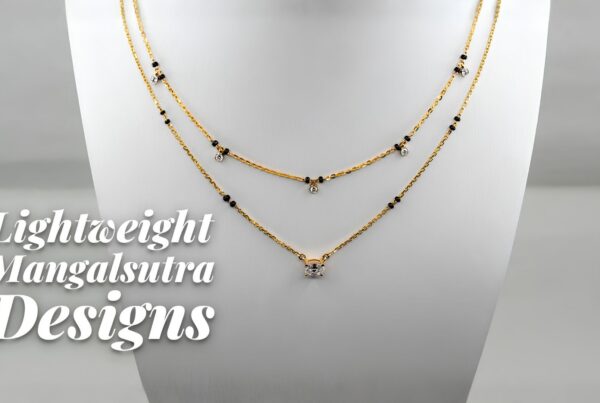
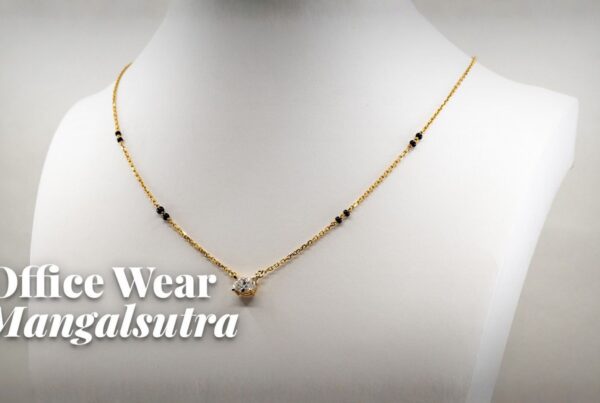
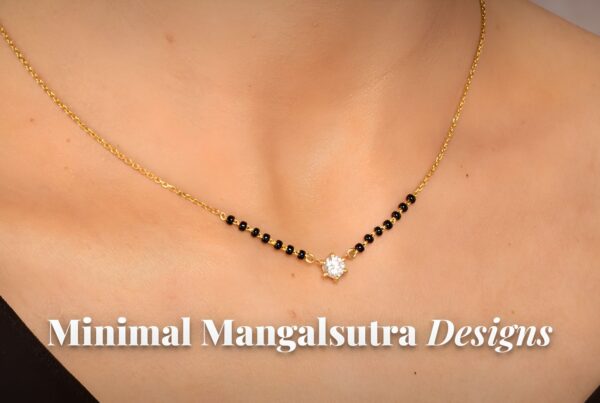
For customers dealing with traditional pieces such as Mangalsutra, craftsmanship and gemstone quality may also influence the final offer. Some antique or designer items can attract prices beyond their melt value, especially if they are in excellent condition.
Prepare Your Jewellery Before Selling
Clean and Organise Your Pieces
Before you approach a buyer, take time to sort and clean your jewellery. Presenting items neatly can create a better impression and help the valuation process move more smoothly. Separate necklaces, bracelets, earrings, and rings into categories so the buyer can inspect everything properly.
People looking to Sell Gold Jewellery UK often forget about single earrings, damaged chains, or outdated designs hidden away in drawers. These pieces may still contain valuable gold and should not be ignored.
Gather Certificates and Receipts
Original receipts, authenticity certificates, or branded packaging can sometimes increase buyer confidence. While they are not always essential, they may help prove purity and origin, particularly for premium jewellery brands.
This can be particularly useful when selling sentimental or cultural items such as Mangalsutra, Wedding rings pieces, where design and authenticity can add to the overall value.
Check the Current Gold Market
Gold prices change regularly, so researching the market before selling is extremely important. Many professional jewellers update their rates daily based on international trading values. Comparing rates from several trusted buyers can help you understand whether an offer is competitive.
People planning to Sell your Gold should avoid rushing into the first offer they receive. Spending a little time researching can often make a noticeable difference in the final payment.
Choosing the Right Gold Buyer
Look for Reputation and Transparency
Not every gold buyer operates with the same level of professionalism. Established jewellers and specialist gold dealers usually provide clearer explanations about valuation methods, weighing procedures, and purity testing.
When searching for places to Sell Gold Jewellery, check customer reviews, online ratings, and years of experience. Reliable buyers are typically open about their pricing structure and willing to answer questions without pressure.
Avoid Unrealistically High Offers
Some businesses advertise unusually high payouts to attract customers, but hidden deductions or unclear calculations may reduce the actual amount offered. Always ask how the value is calculated and whether additional charges apply.
A trustworthy buyer will test your jewellery in front of you and explain the process clearly. This creates confidence and reduces the risk of misunderstanding during the transaction.
Compare Online and High Street Services
In 2026, both online gold buyers and traditional jewellers are popular options. Online services can offer convenience and insured postage, while high street jewellers allow face to face interaction and immediate payment.
For many people looking to Sell Gold, visiting a physical jeweller still feels more reassuring because they can see the testing and valuation process in person.
The Importance of Gold Purity Testing
Professional gold buyers use several methods to confirm purity. Acid testing, electronic testing, and XRF analysis are among the most common techniques used today. These methods help determine the exact percentage of gold within each item.
Understanding purity is particularly useful if you plan to sell gold regularly or own older jewellery pieces with unclear hallmarks. British hallmarks can provide clues about gold content, but professional testing offers greater accuracy.
Customers selling heirloom or wedding jewellery often feel nervous during this stage, especially when emotional value is attached to the item. Reputable jewellers understand this and usually explain each step carefully to maintain transparency.
Why Timing Matters When Selling Gold
Gold prices can rise and fall depending on global economic conditions. Inflation concerns, geopolitical uncertainty, and currency fluctuations often influence the market. Because of this, timing your sale carefully can help maximise returns.
In periods of economic instability, gold prices often increase because investors view gold as a safer asset. Watching market trends for a few weeks before making a decision may help you secure a stronger price.
This is particularly relevant for people planning to Sell Gold Jewellery collections that contain larger or heavier items. Even a small rise in the market price per gram can significantly increase the final payout.

Common Mistakes to Avoid
One common mistake people make when they sell gold is failing to compare multiple offers. Different buyers may provide very different valuations for the same item. Obtaining at least two or three quotes can help you identify a fair market rate.
Another mistake is assuming damaged jewellery has no value. Broken clasps, tangled chains, and single earrings still contain precious metal and may be worth more than expected.
Some sellers also allow sentiment to affect pricing expectations. While emotional value is important personally, buyers mainly assess purity, weight, and resale potential. Understanding this can make negotiations more realistic and less stressful.
Selling Traditional and Cultural Jewellery
Traditional jewellery continues to hold strong demand in the UK market. Pieces linked to weddings and cultural celebrations often carry both gold value and artistic significance. Jewellery specialists familiar with Asian and bridal collections may offer more competitive valuations for these designs.
For example, many buyers specialising in Mangalsutra Jewellery UK understand the craftsmanship and symbolic importance behind these items. This expertise can sometimes result in higher offers compared to general gold buyers who focus purely on weight.
If you own detailed or gemstone set jewellery, ask whether the valuation includes design and craftsmanship rather than only melt value. This can make a considerable difference to the final amount offered.
Getting the Best Gold Price
Choosing the right time and buyer can make the process of selling jewellery much more rewarding. In 2026, strong market demand and increasing gold prices continue to create excellent opportunities for anyone looking to sell gold safely and confidently.
Whether you are clearing out unwanted pieces, upgrading your collection, or simply unlocking extra funds, taking time to research buyers and understand valuation methods is essential. From modern rings to heirloom bridal sets, every item deserves a fair assessment.
If approached carefully, the process to Sell Gold Jewellery UK collections can be straightforward, secure, and financially worthwhile. By staying informed and working with reputable professionals, you can maximise value while enjoying a smooth selling experience.
FAQs - Frequently Asked Questions
What does it mean to sell gold?
Selling gold means exchanging your unwanted or unused gold jewellery, coins, or items for money based on their weight, purity, and current market price. It is a simple process that allows you to unlock the value of items you no longer need.
How do I get the best price when I sell gold?
To get the best price, compare multiple buyers, check live gold rates, and choose a trusted and transparent dealer. Cleaning your jewellery and understanding its purity can also help you receive a fair valuation.
Can I Sell Gold if it is broken or damaged?
Yes, broken or damaged jewellery still has value because it is priced mainly on gold content rather than condition. Even single earrings or broken chains can be sold based on weight and purity.
What affects the price of my gold jewellery?
The main factors include gold purity, weight, and the current market rate. Designer pieces or cultural items such as Mangalsutra Jewellery UK may also gain additional value depending on craftsmanship and demand.
Do I need documents to sell my gold?
You do not always need documents, but receipts, certificates, or original packaging can sometimes help confirm authenticity and may improve buyer confidence during valuation.
When is the best time to sell gold?
The best time is usually when gold prices are high in the global market. Keeping an eye on price trends and selling during strong market conditions can help you maximise your return.